I set out to test FOMAPAN 400, with 2 rolls of 120 and 3 of 35mm.
At box speed with Tmax Developer
camera: Canon Eos 30
format: 35mm
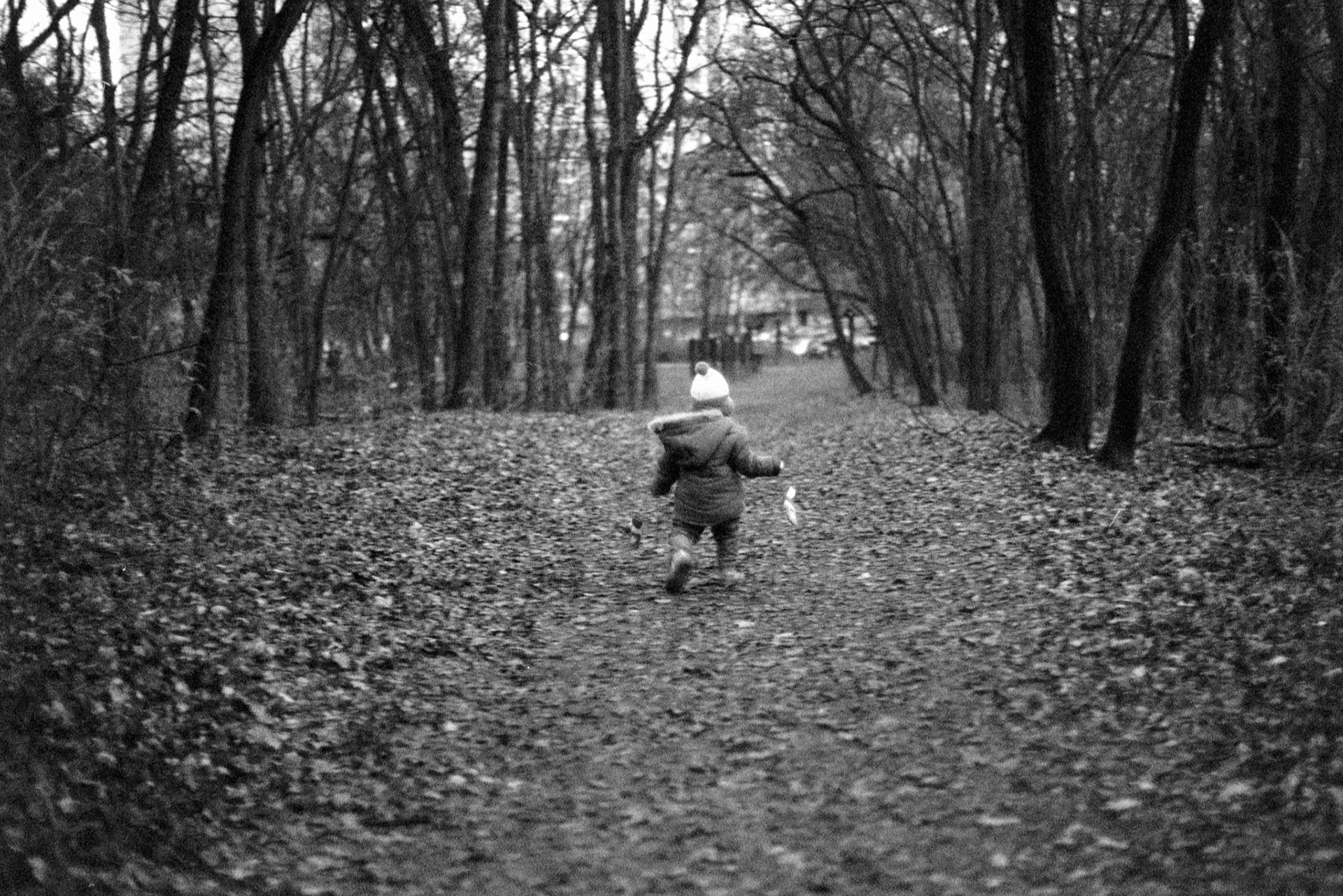
It performs pretty well at low natural light environments.
This picture was taken at dusk, 1/30, F1.4.
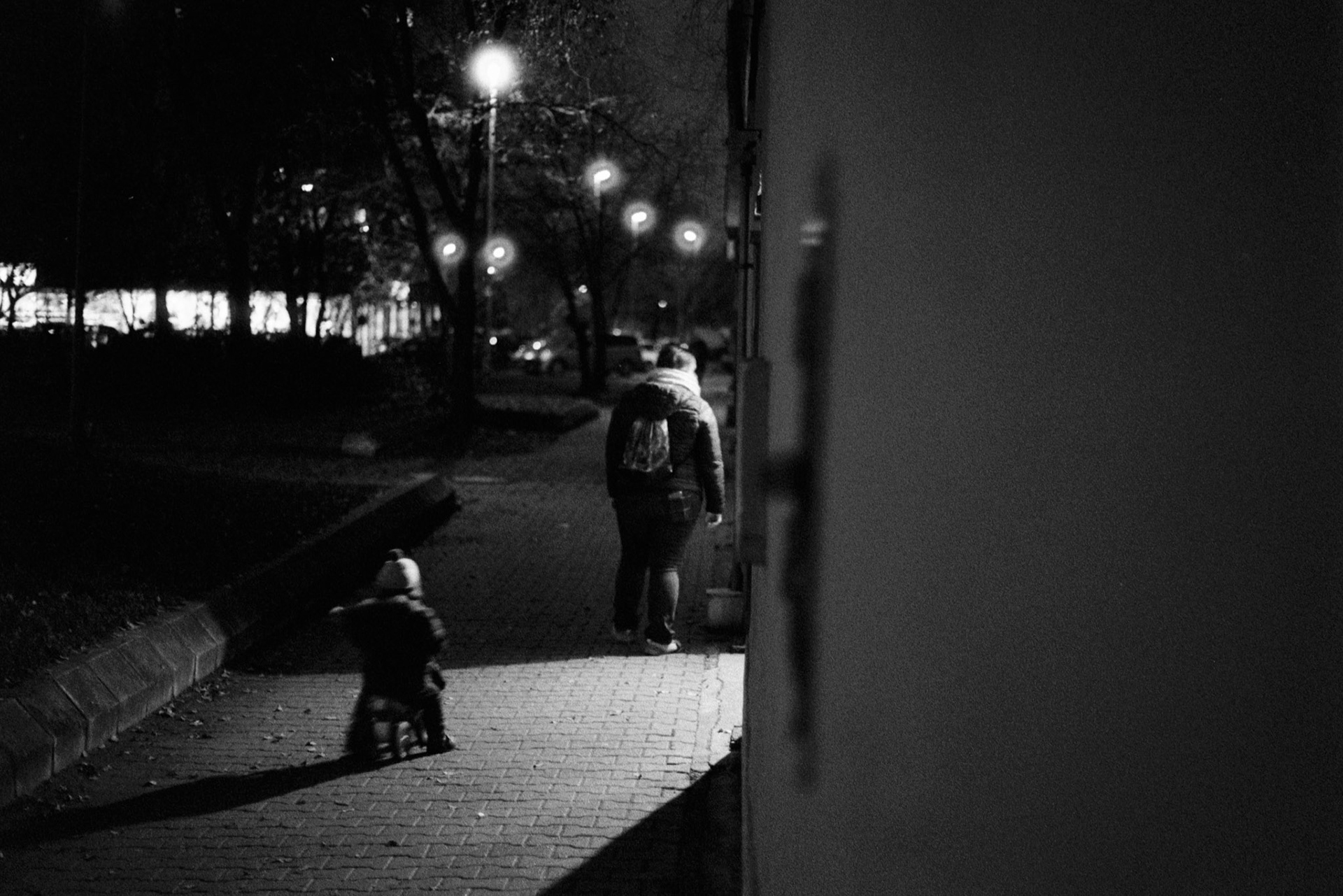
It was also fine after dark, with some artificial light.
Note the halo around the lamps.
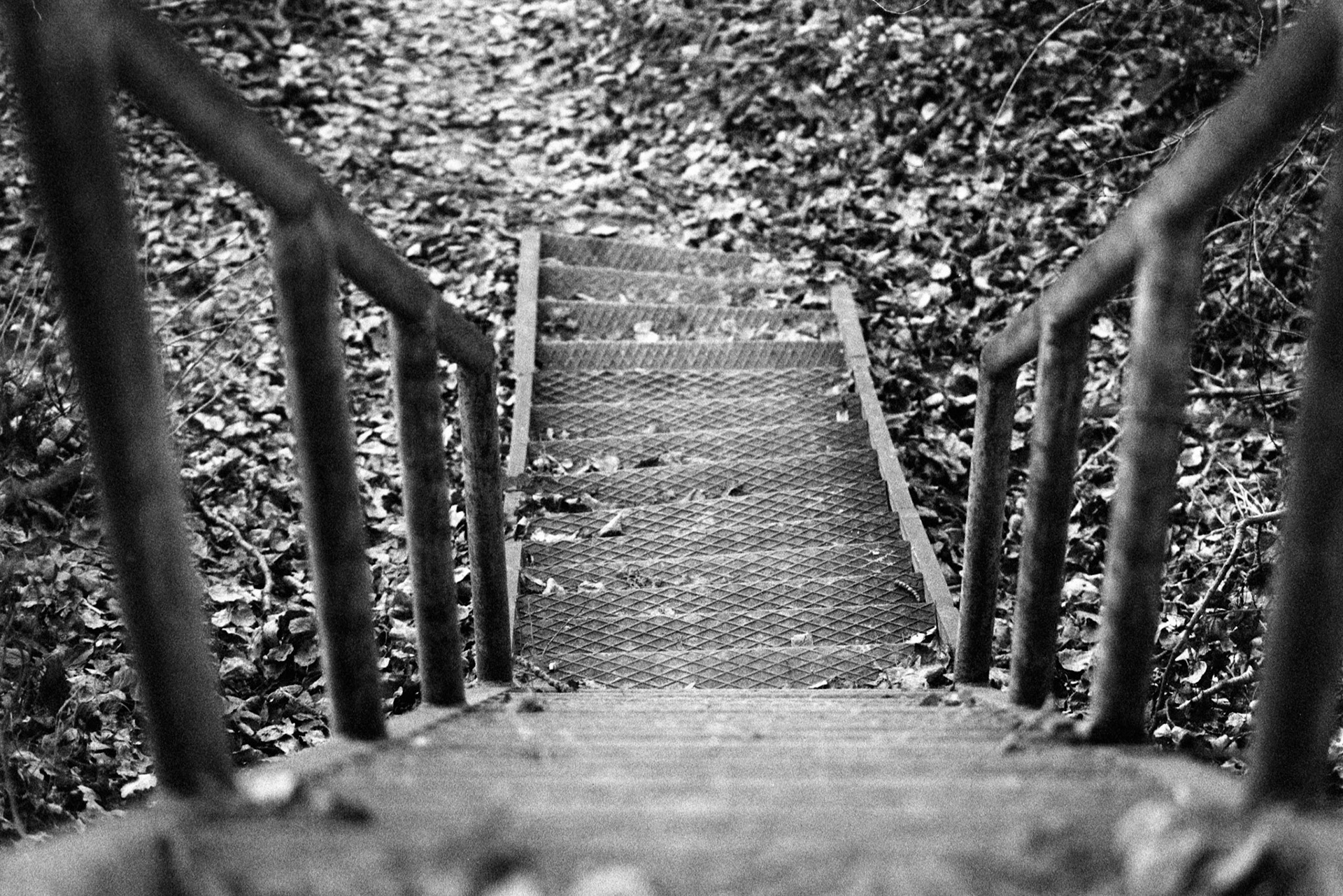
It's tone is not the most pleasant.
On large homogenous or gradient areas the grain can be very strong and unpleasant.
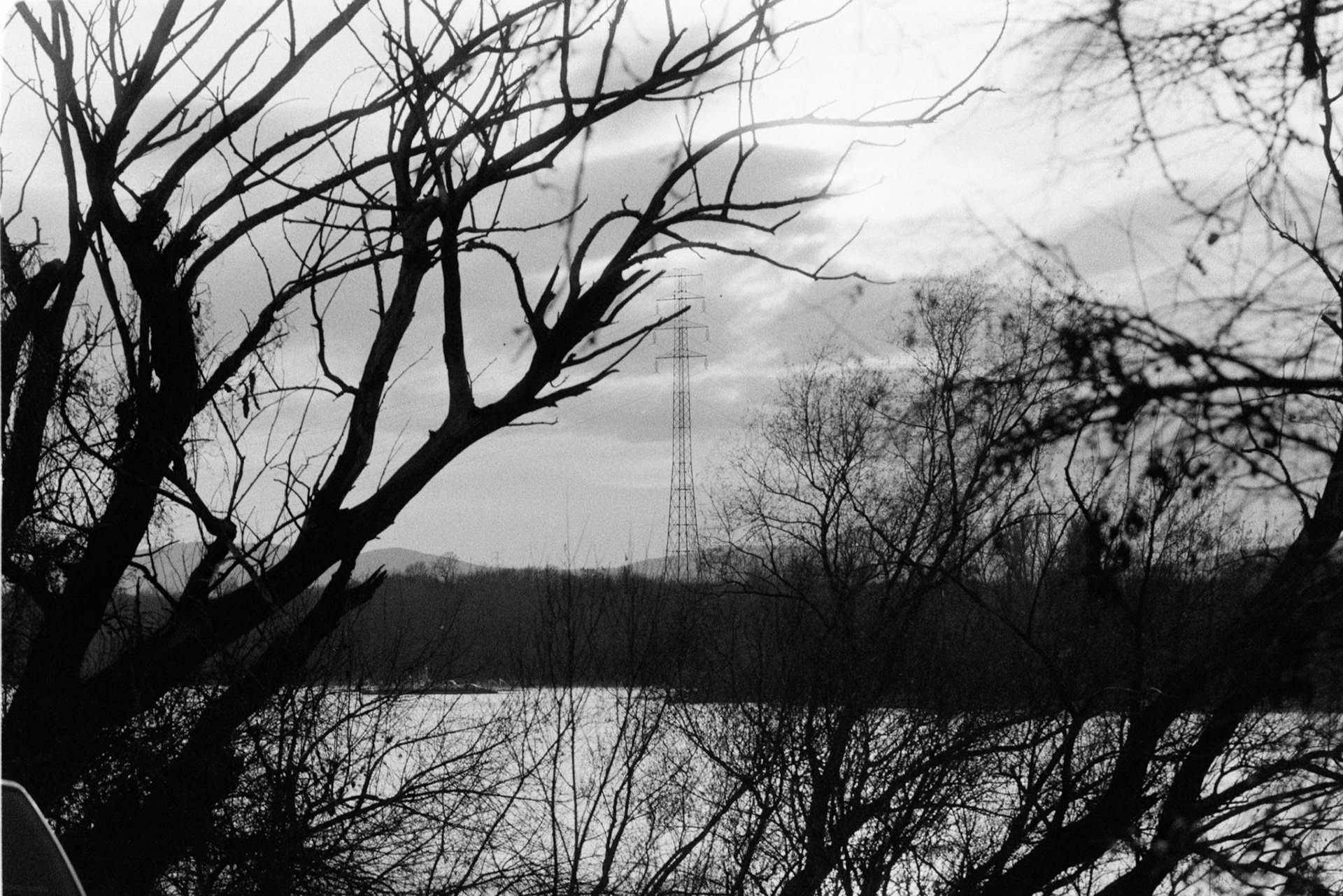
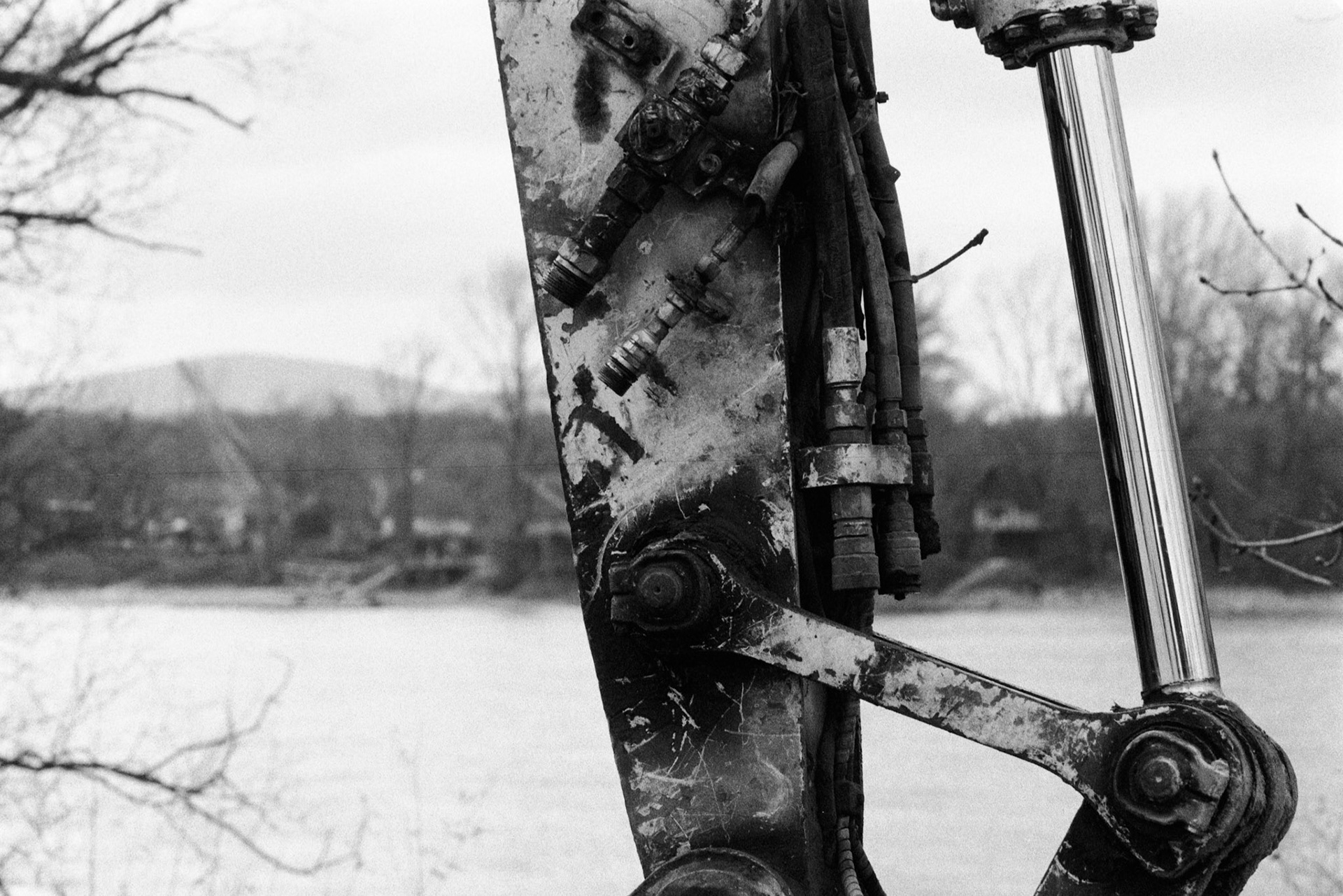
It's not the sharpest film, don't plan on making large prints from this negative.
It does not appear dull but the details, especially close up seems lacking compared to other 400 speed film.
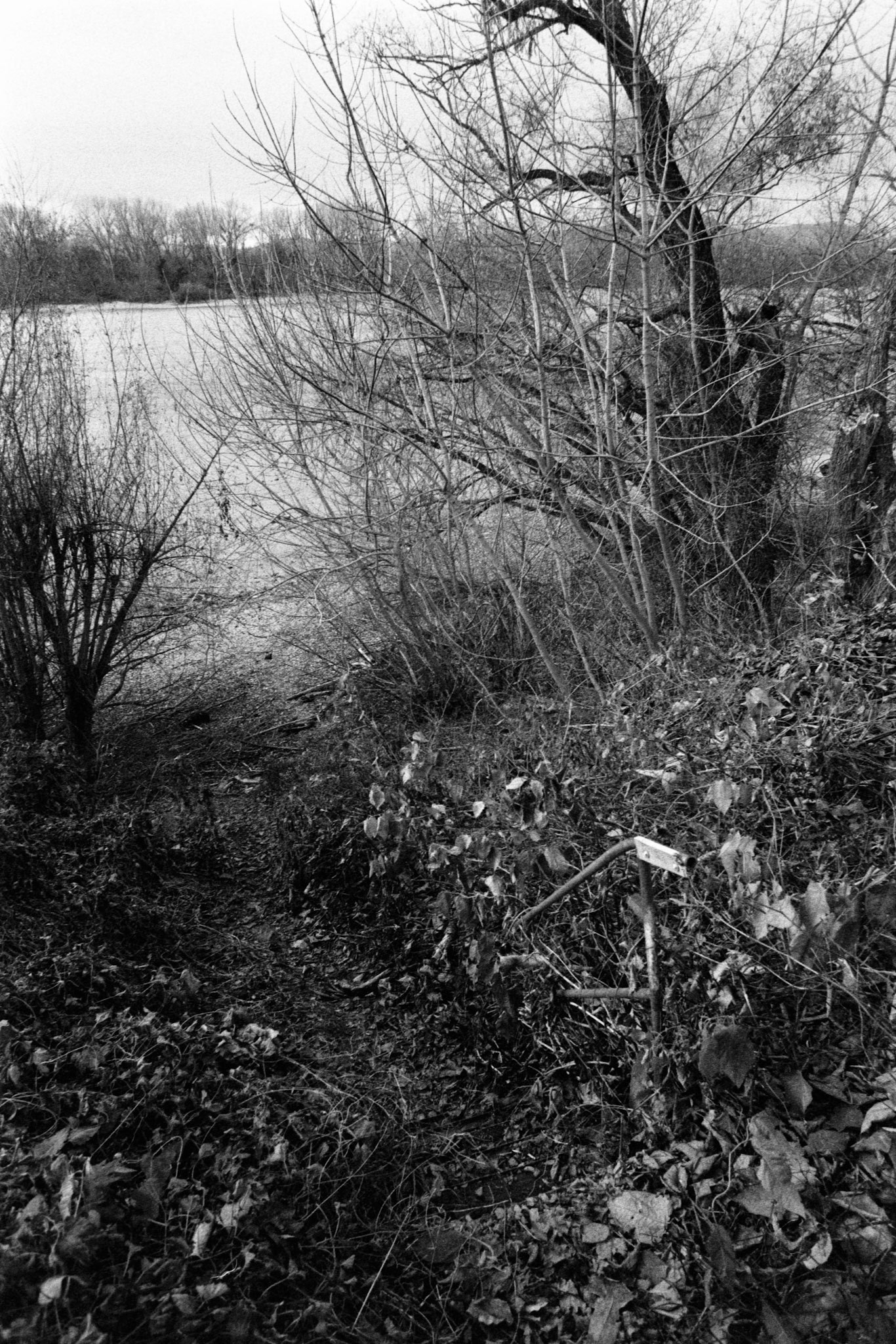
This pathway was very easy to spot, but this film renders it in a way that it totally blends in with it's surrounding.
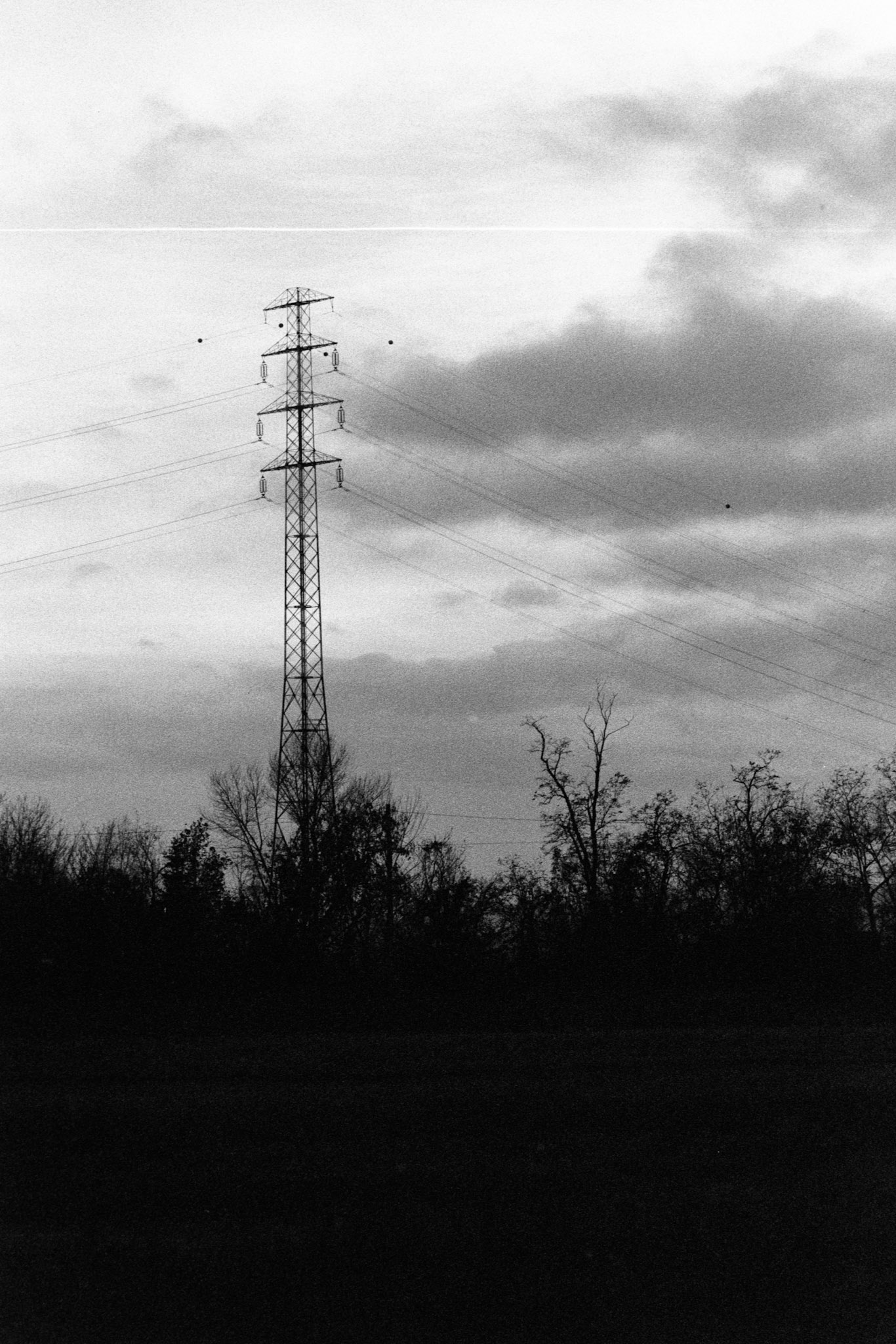
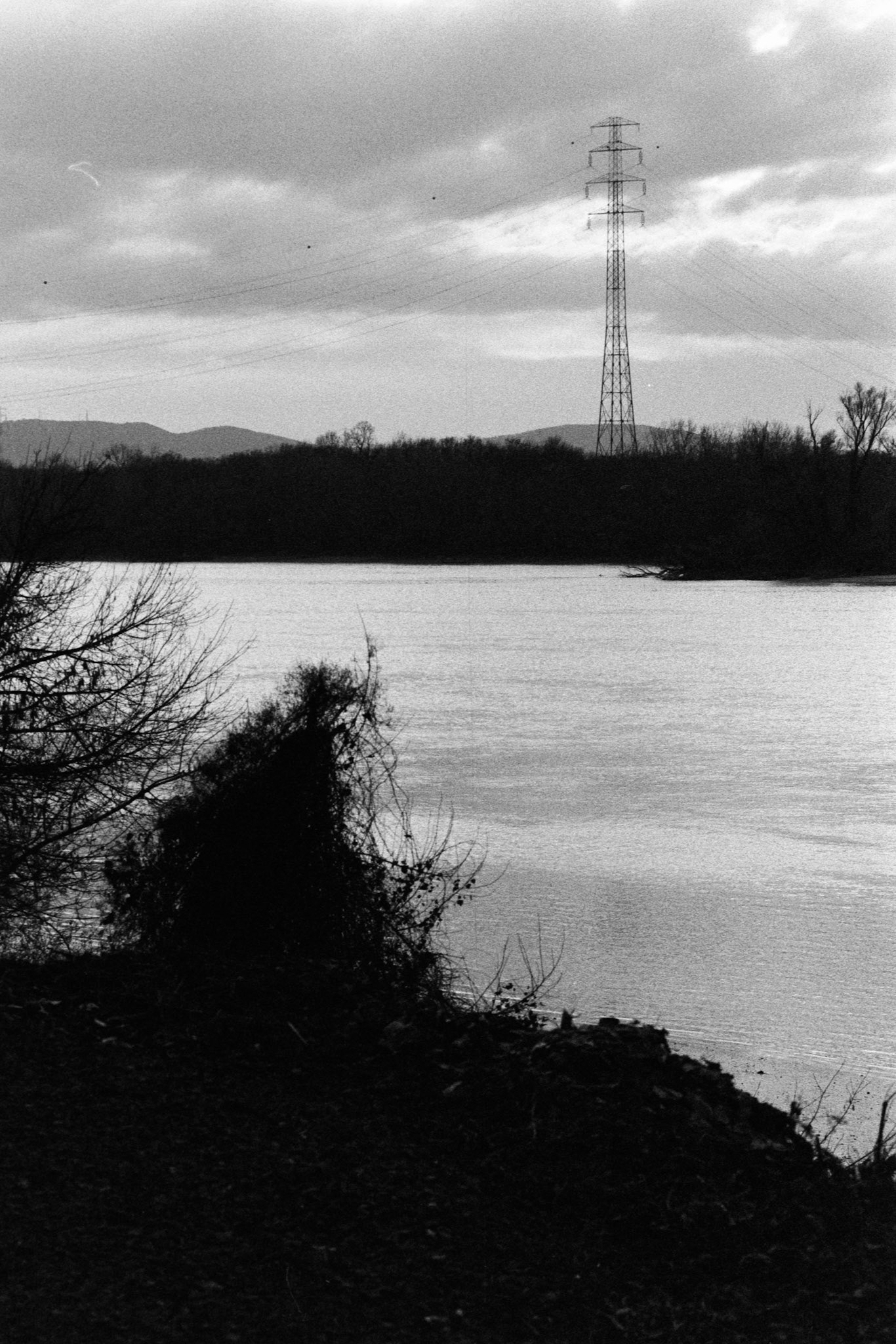
This image was metered for the sky, there is almost no detail in the foreground, which is fine, but at the same time the sky is way too grainy.
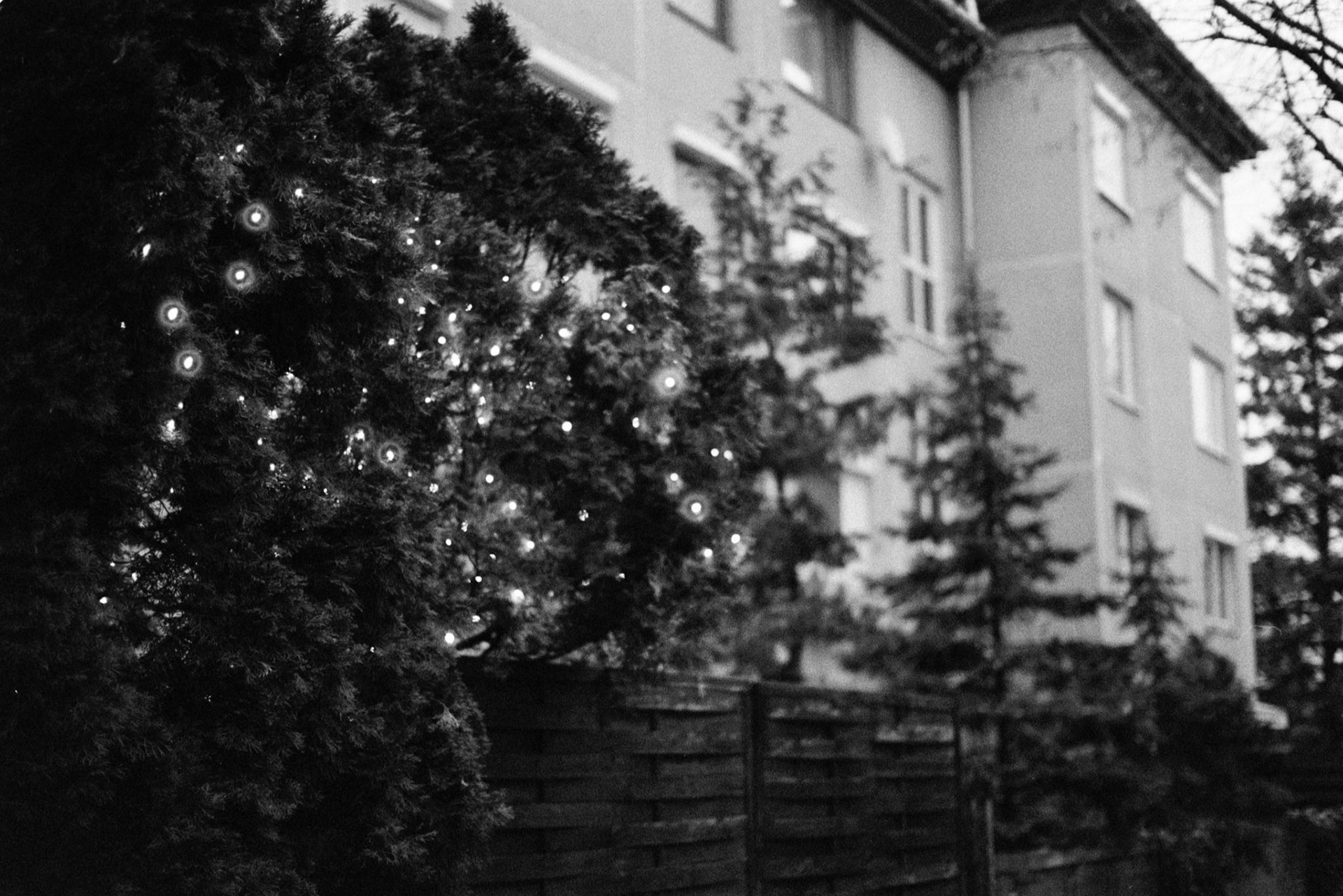
There is very noticable halo on every point-source light on the picture.
This is not the artifact of the lens, this picture was shot with a modern sigma lens, that does not exhibit this behaviour with other film or with a digital camera.
This is not the artifact of the lens, this picture was shot with a modern sigma lens, that does not exhibit this behaviour with other film or with a digital camera.
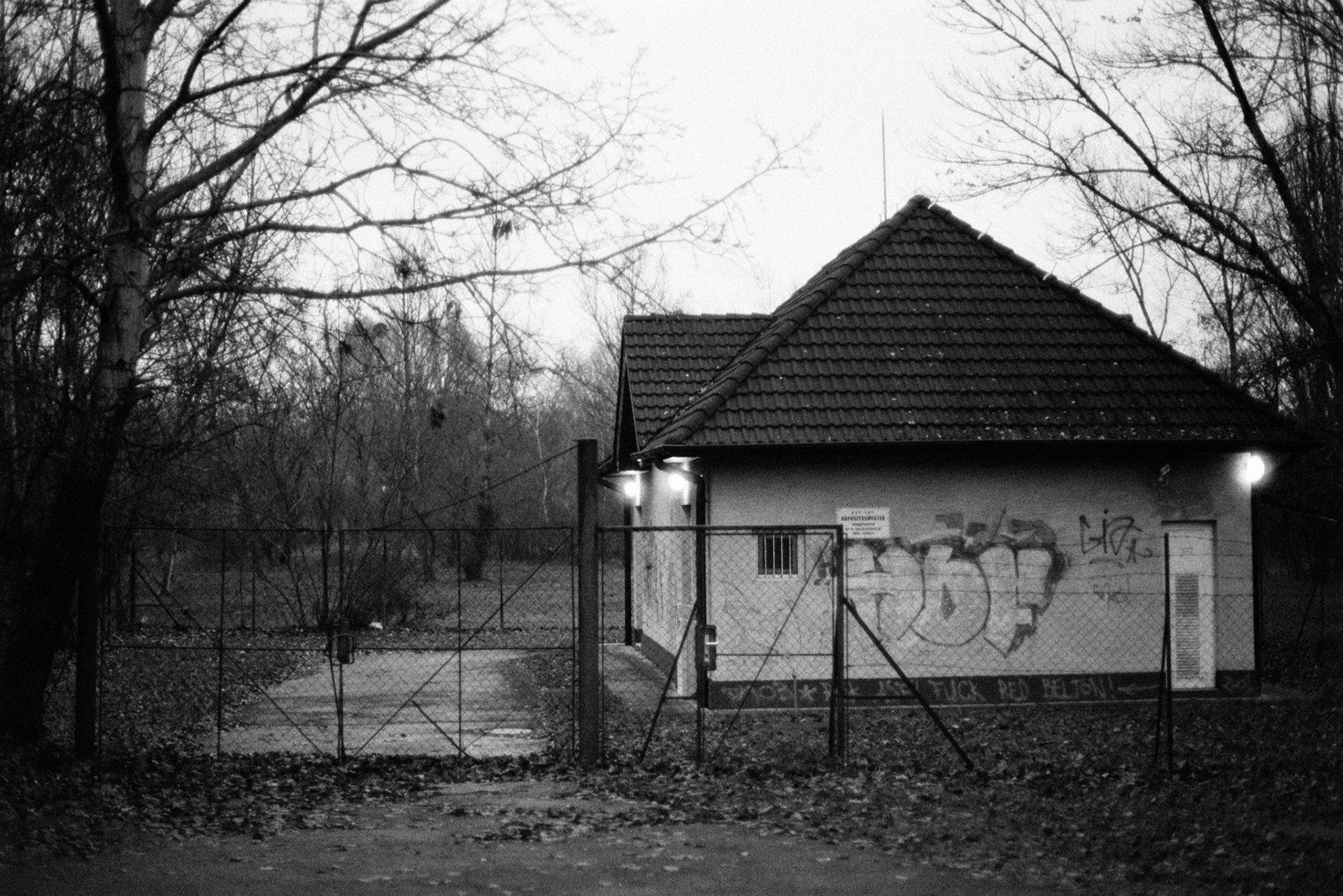
The film's sensitivity increasing as the wavelength of light increases.
It can produce some unsettling results.
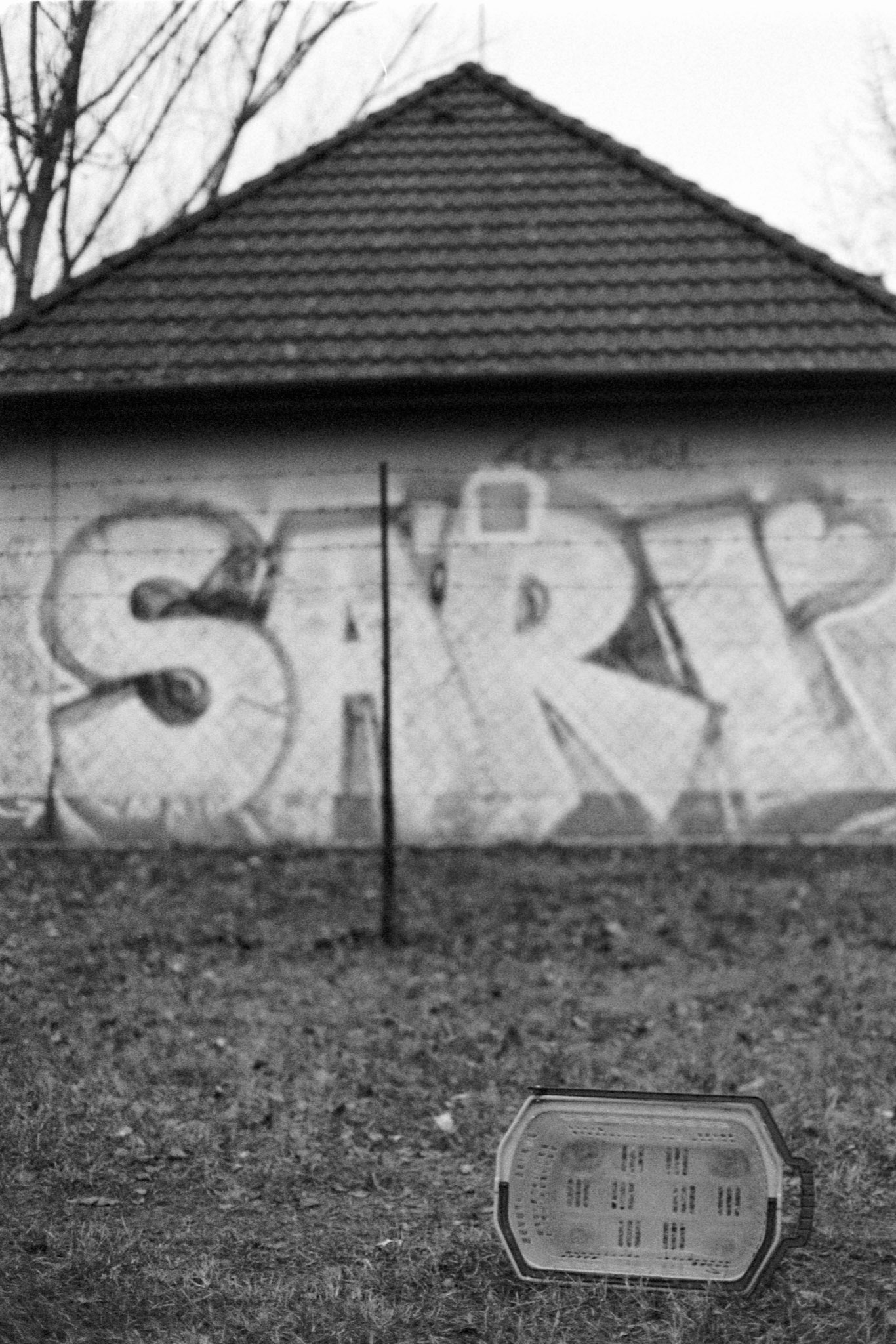
The strangely strong red sensitivity can be seen here. That shopping basket in the foreground has a dark red color, with a conventional panchromatic film it should look way darker compared to the foliage.
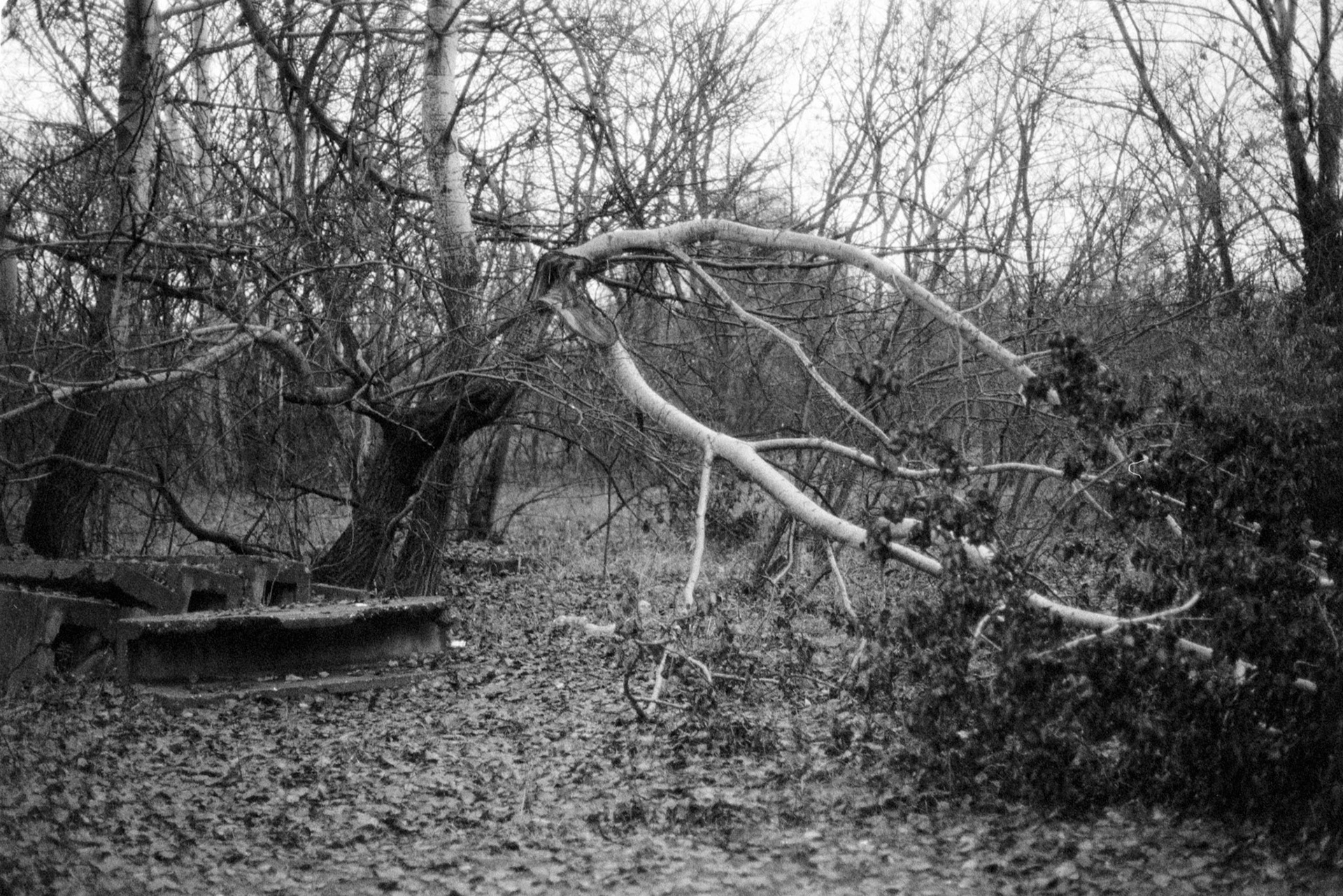
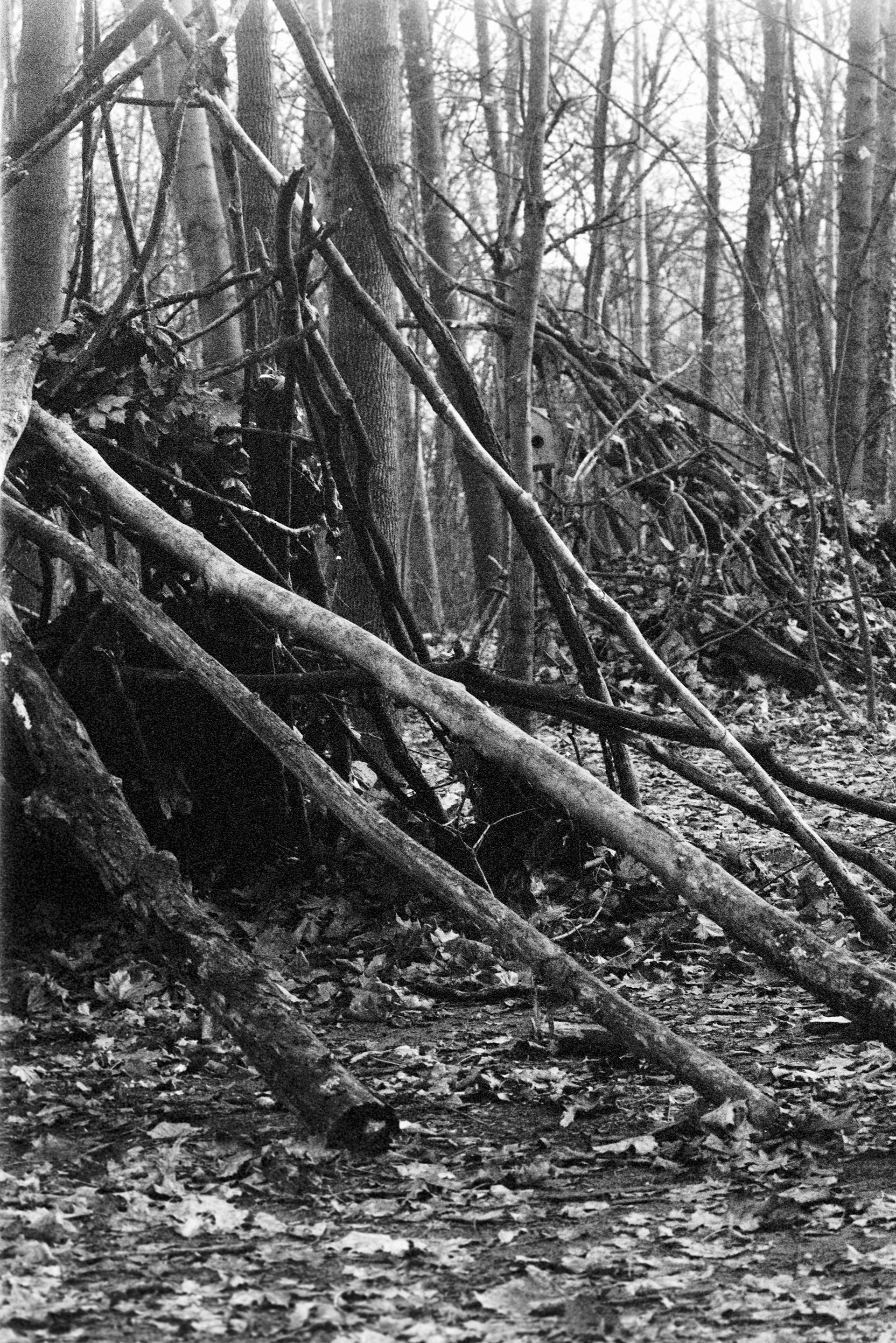
Here, the lightness of some of the branches are greatly exaggerated.
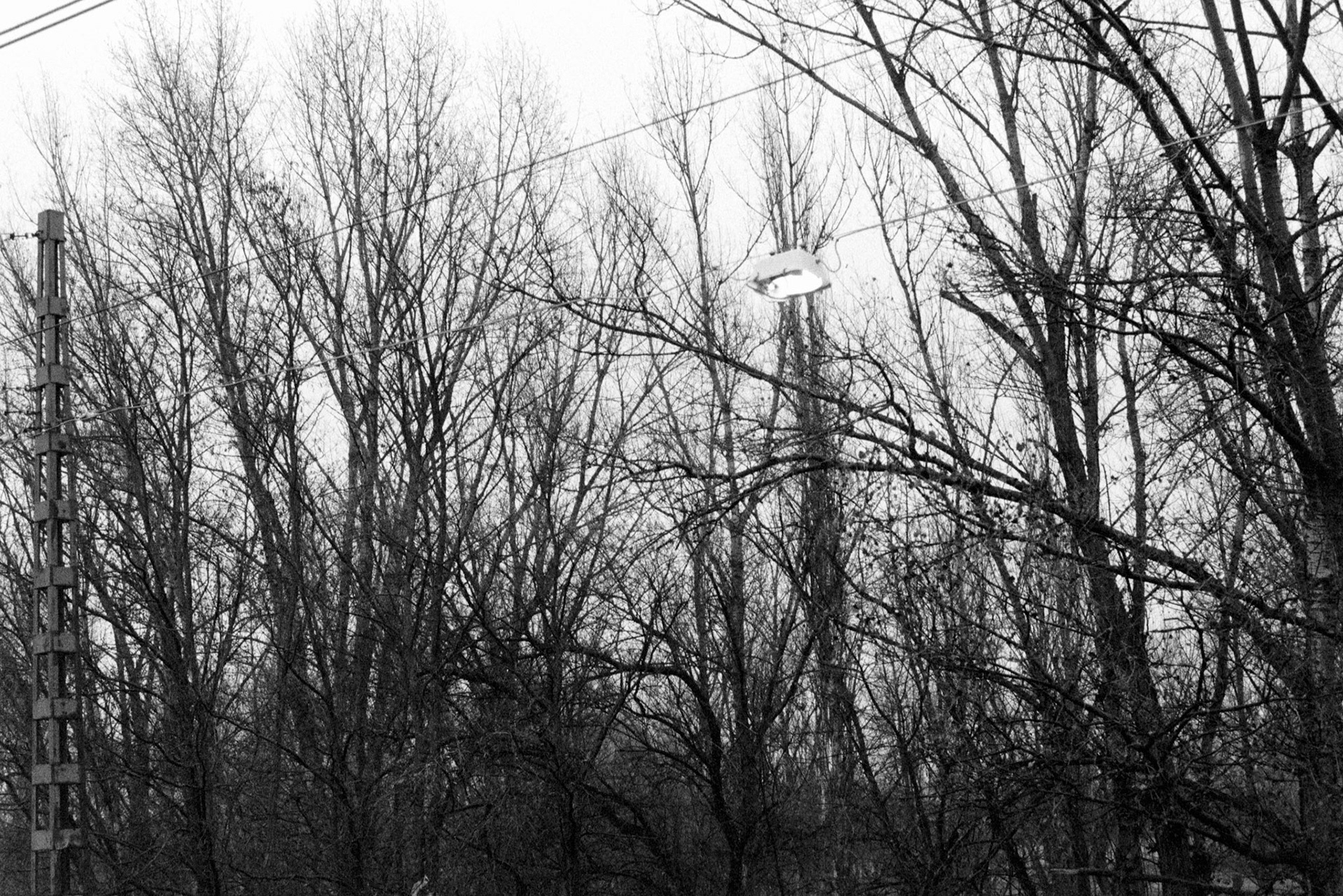
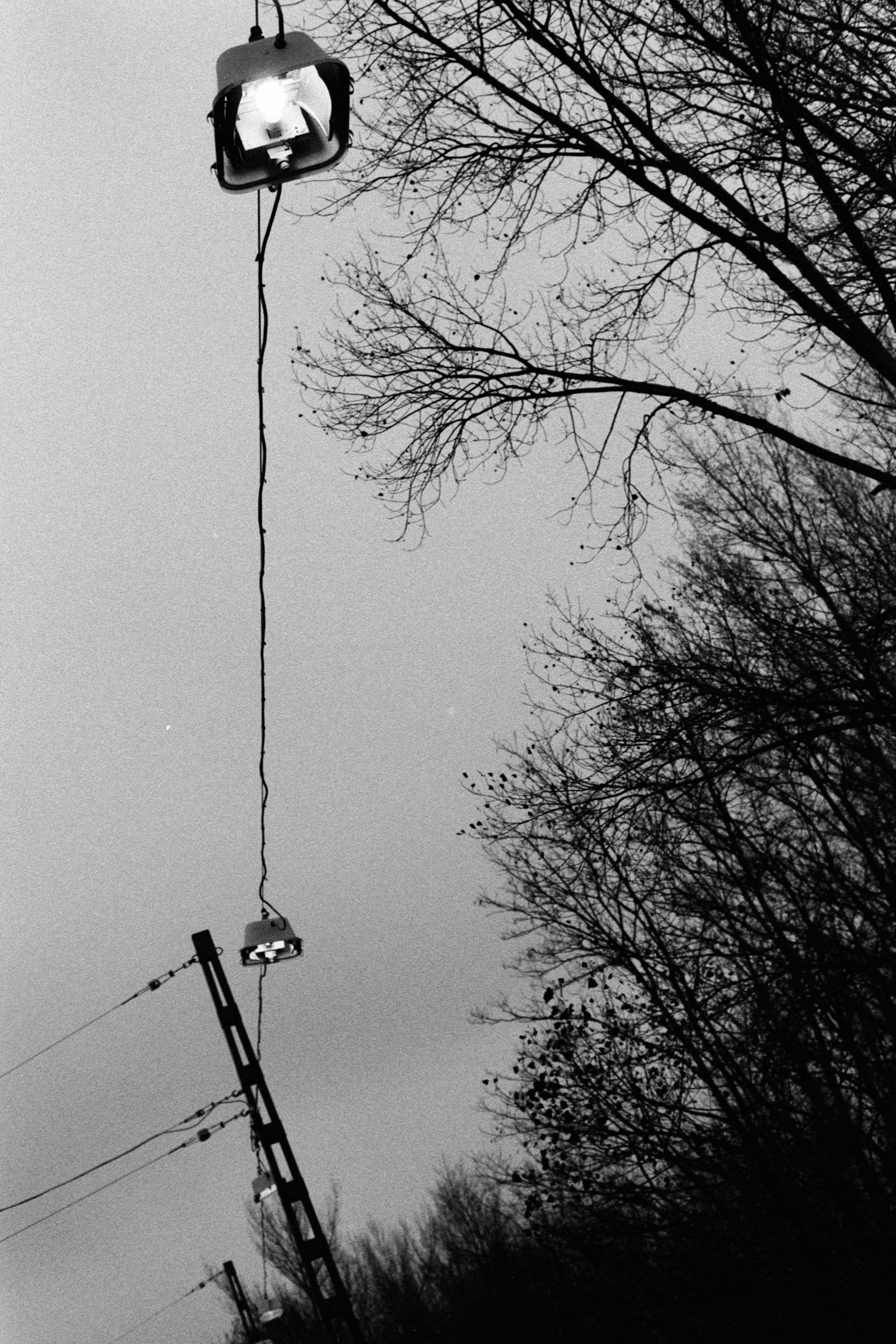
The gritty nature of the film works really well for this shot.
At box speed, developed with Rodinal
camera: Lubitel 166b
format: 120 roll, 6x6
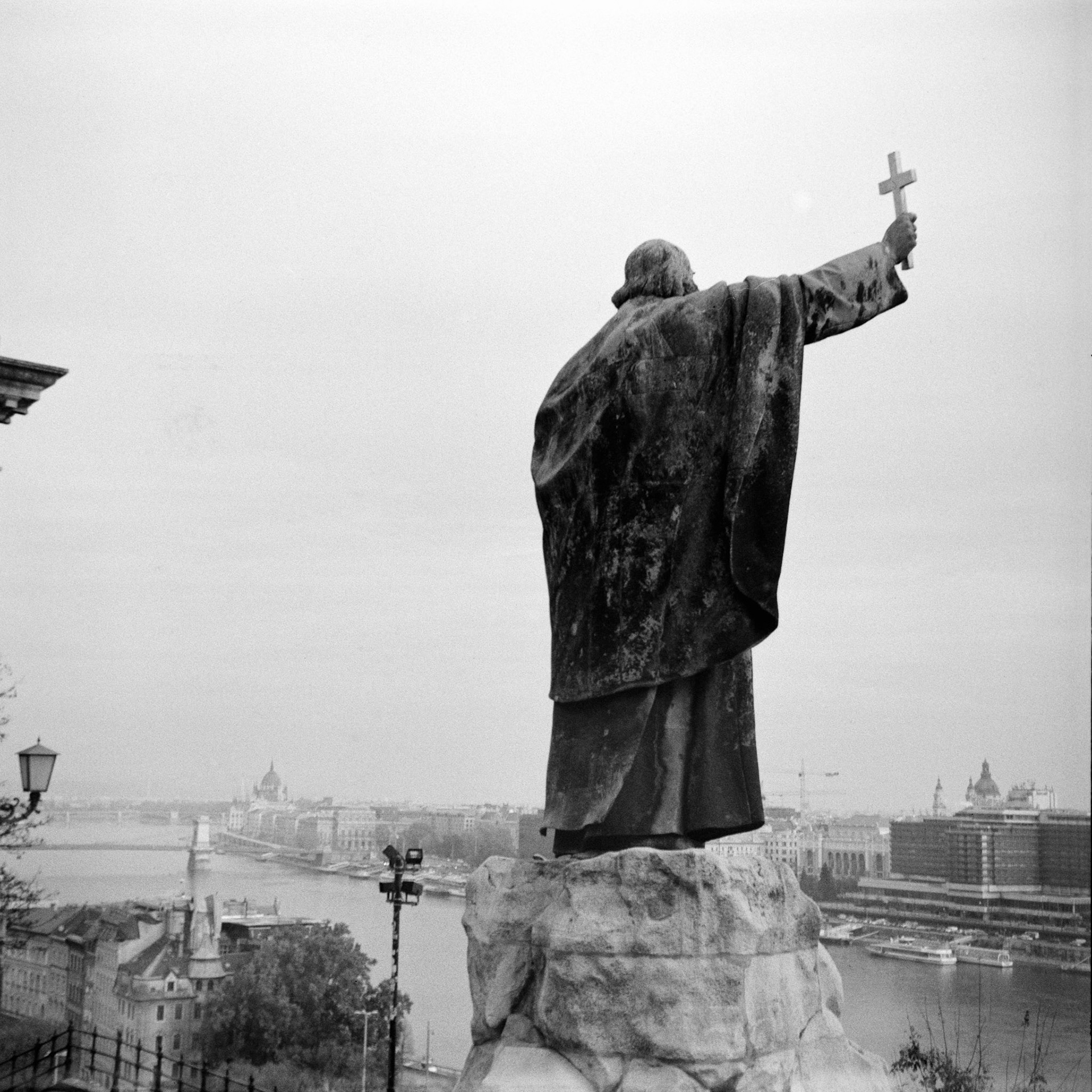
This one is from the medium format roll, developed in Rodinal. It has the same problem with grain as the 35mm, just a little bit smoother.
This film can make scenes like this look dull and flat.
Pushed to 800 with Tmax Developer
camera: Zeiss Mess-Ikonta
format: 120 roll, 6x6
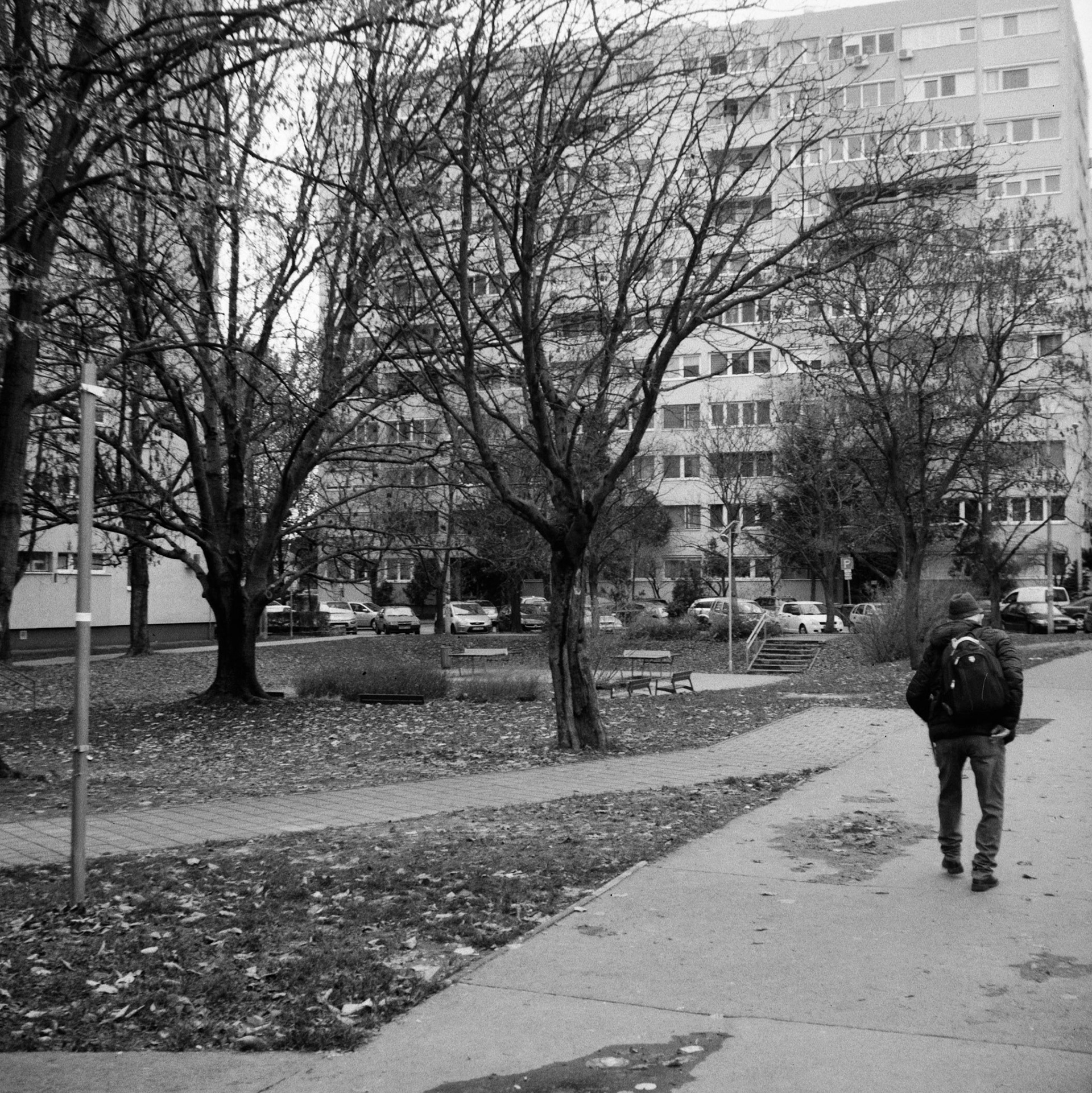
Despite the push, the homogenous tones look way nice with this developer in medium format.
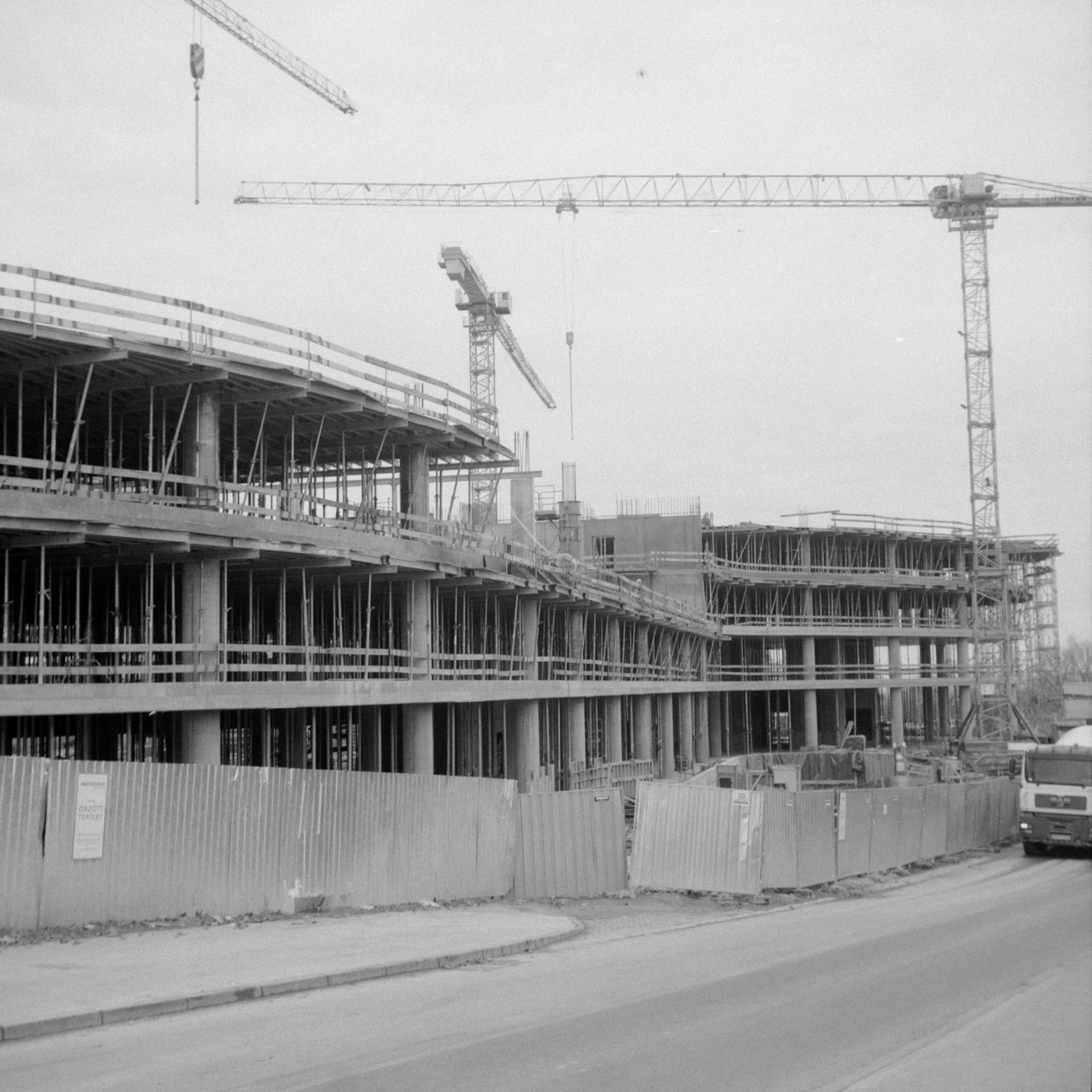
The light parts of the image look way too flat, and the dark portions inside the building fall to zero detail very quickly.
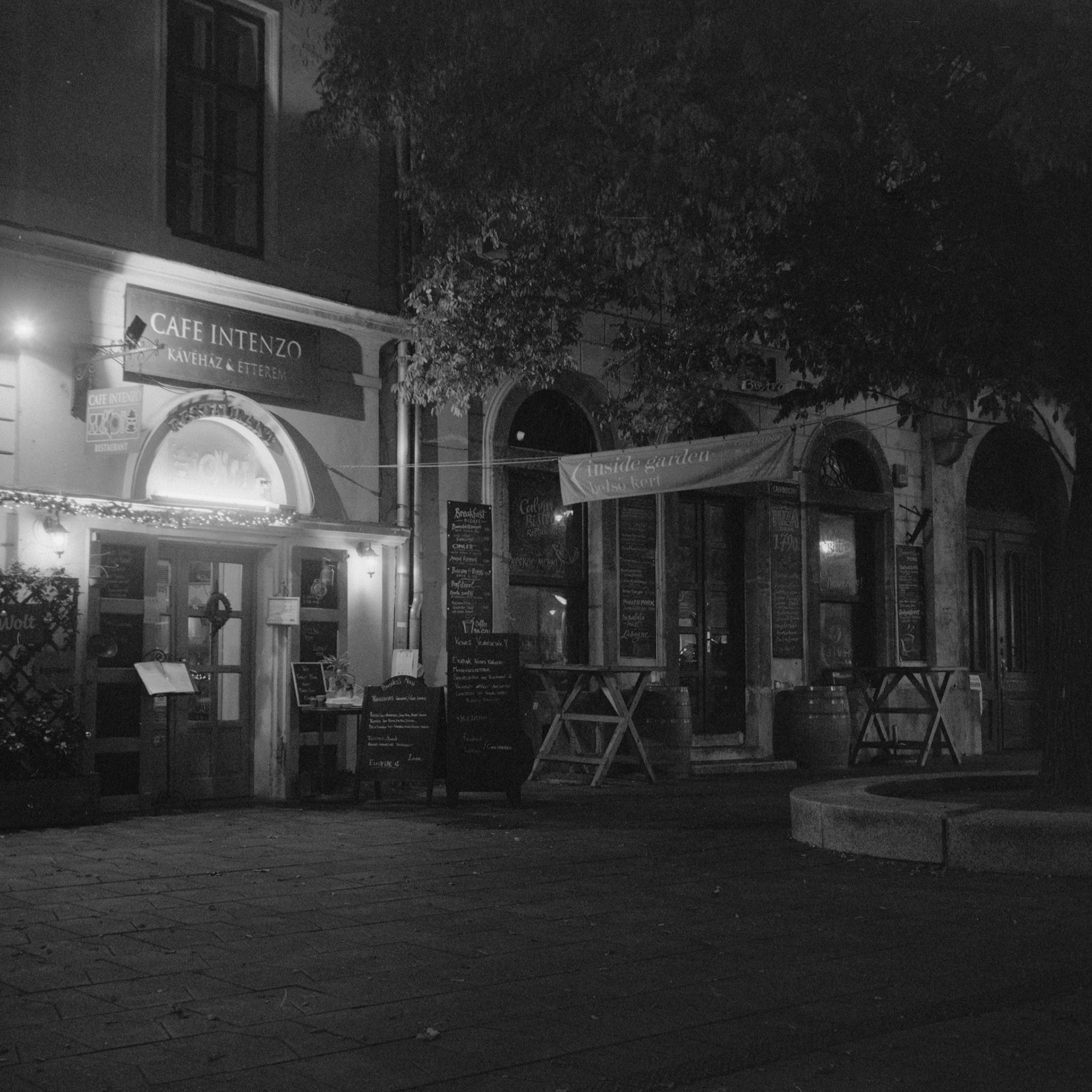
I actually like how this shot turned out, lots of detail in every zone.
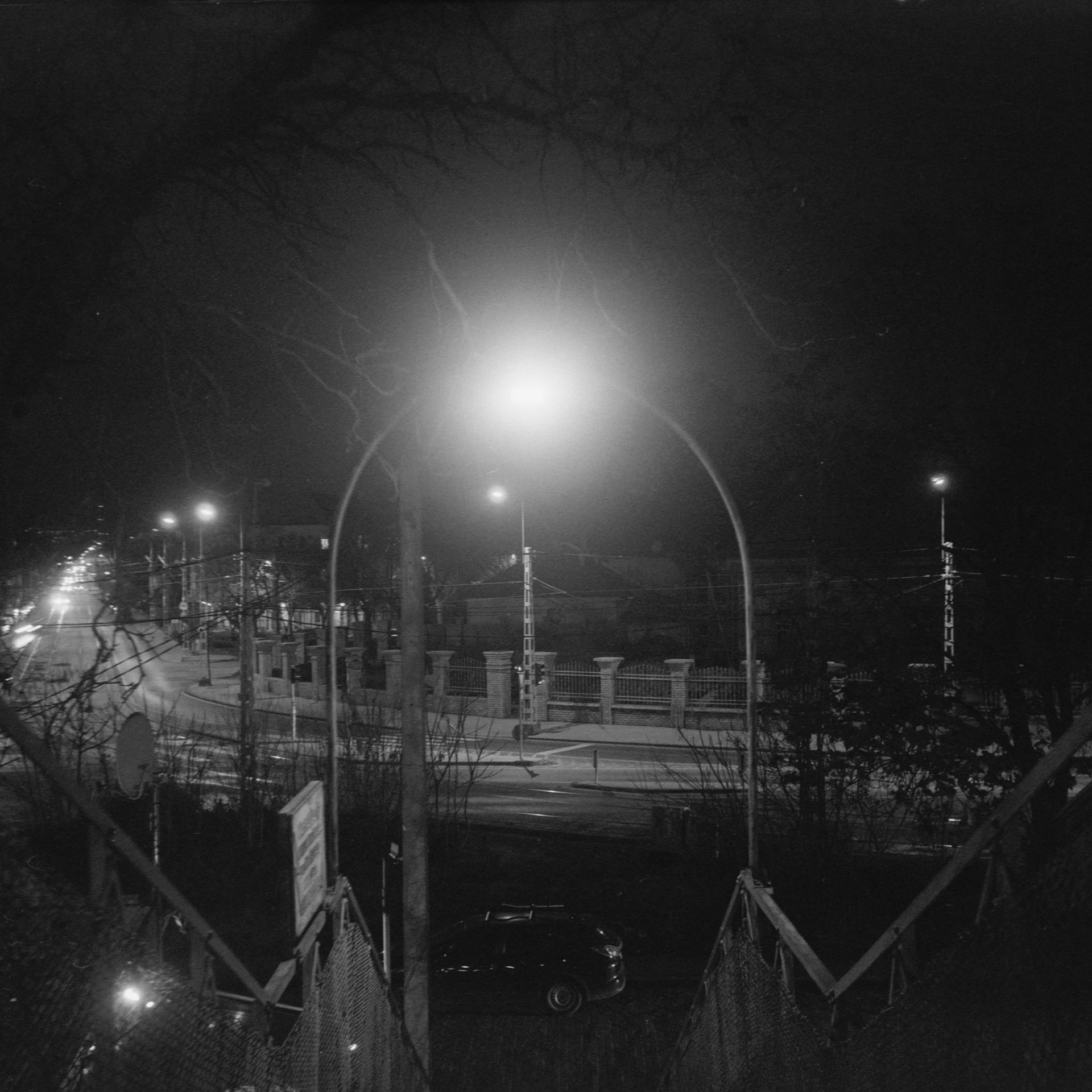
Point-source lights are not that big of a problem with the medium format version.
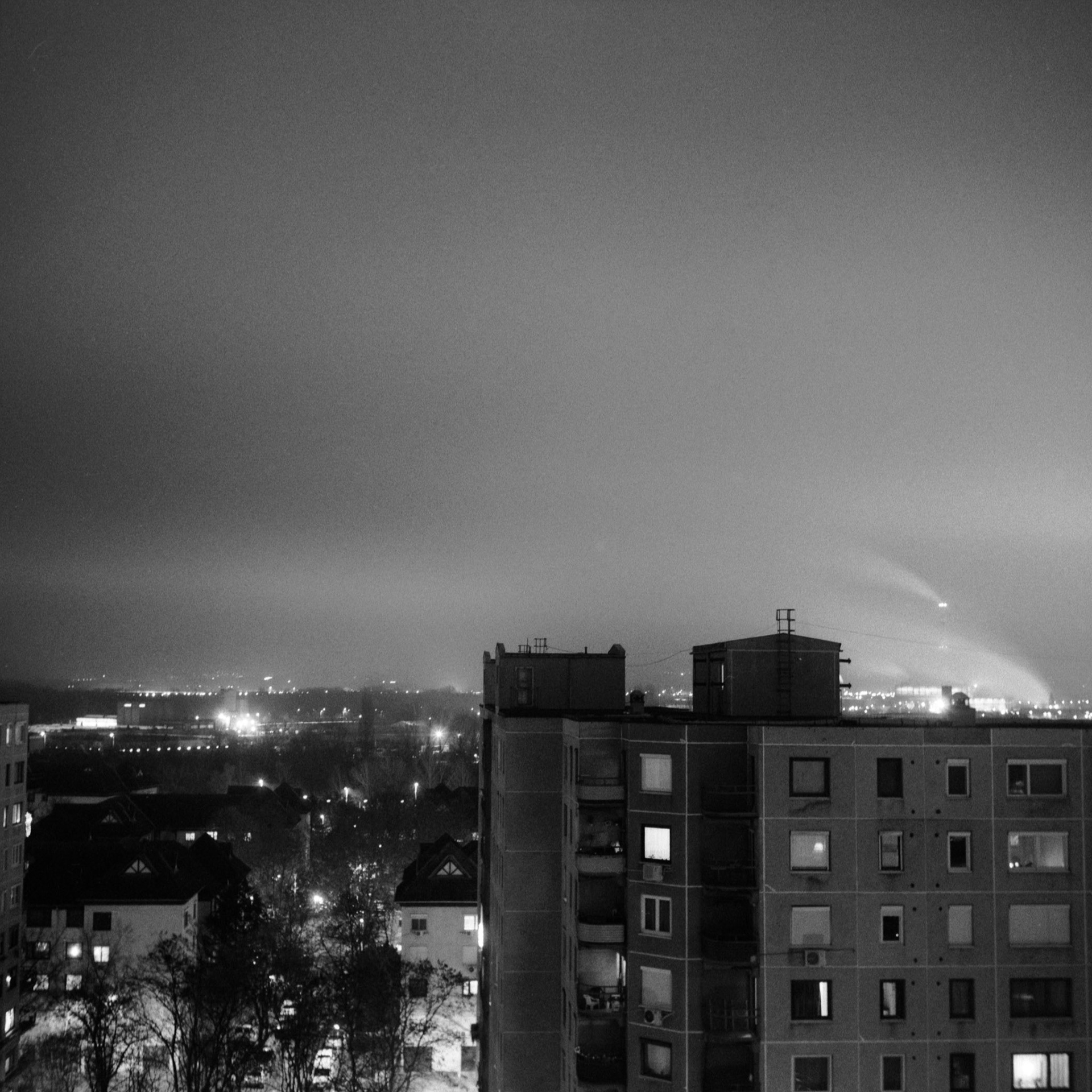
Foma films encounter reciprocity failure early and need a lot of corrections for it, but it's possible to use it for night photography with interesting results, just be prepared to leave you shutter open for much longer.
35mm Pushed to 3200 with Tmax Developer
camera: Canon Eos 30
format: 35mm
Just don't do this. I tried it, so you don't have to.
The base fog is greatly elevated, but there is almost no detail when actually shot at EI 3200, with a 3x development time increase in a speed increasing developer, the most you can get from it is around ISO 1200. There is simply nothing on the film to be pushed.
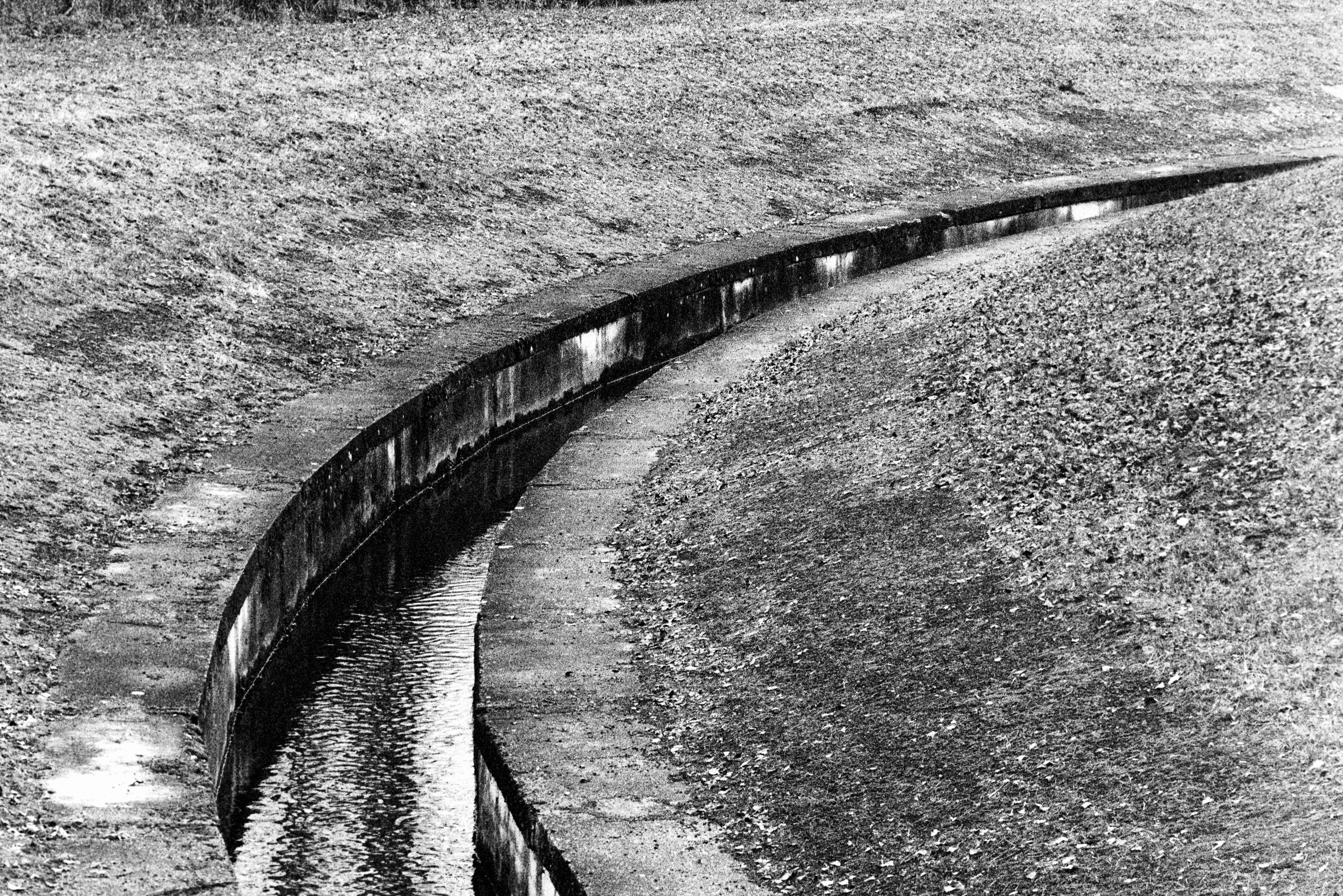
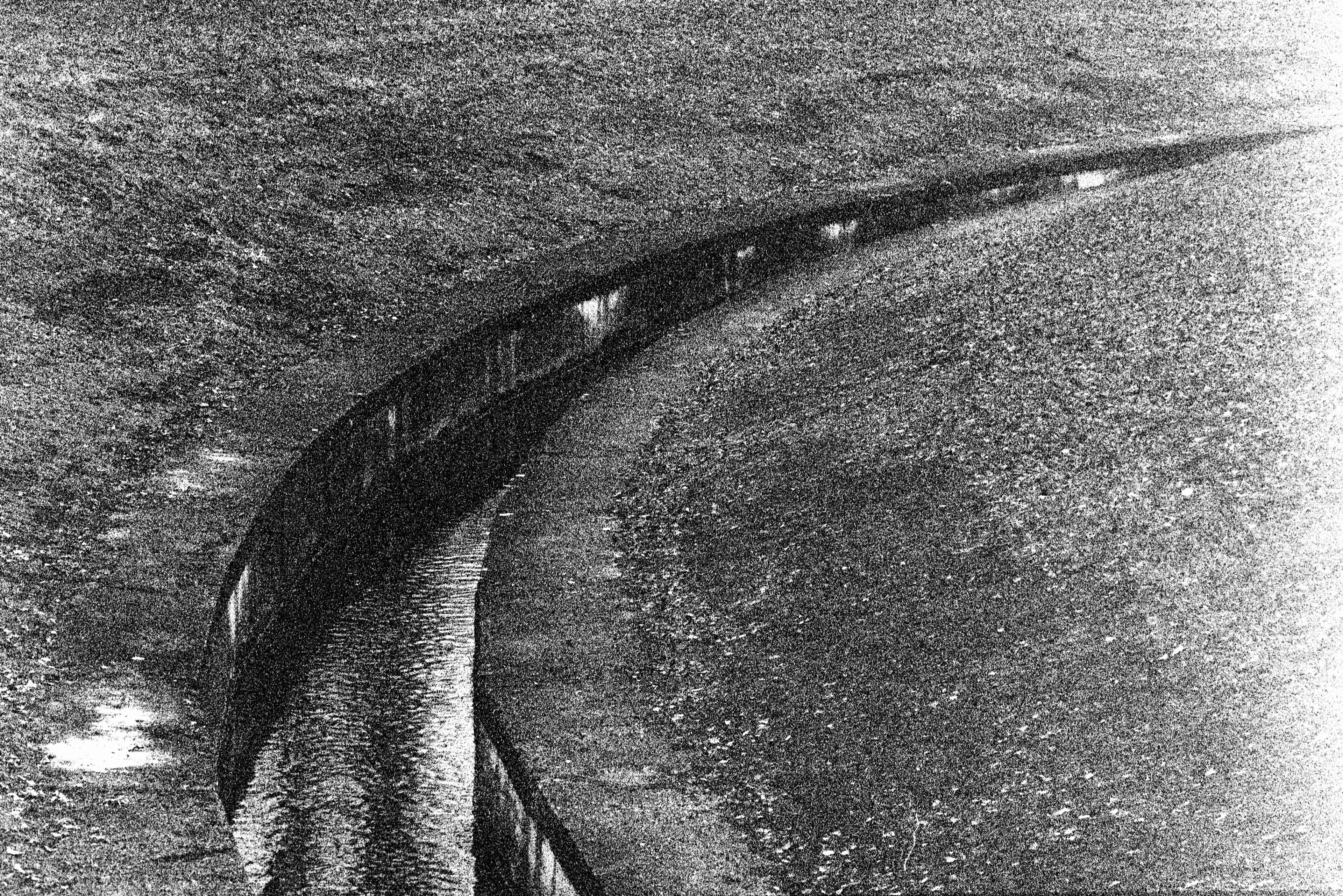
EI 800 / EI 3200
The EI 3200 images are very hard to scan, the light on the right side is a scanning artifact.
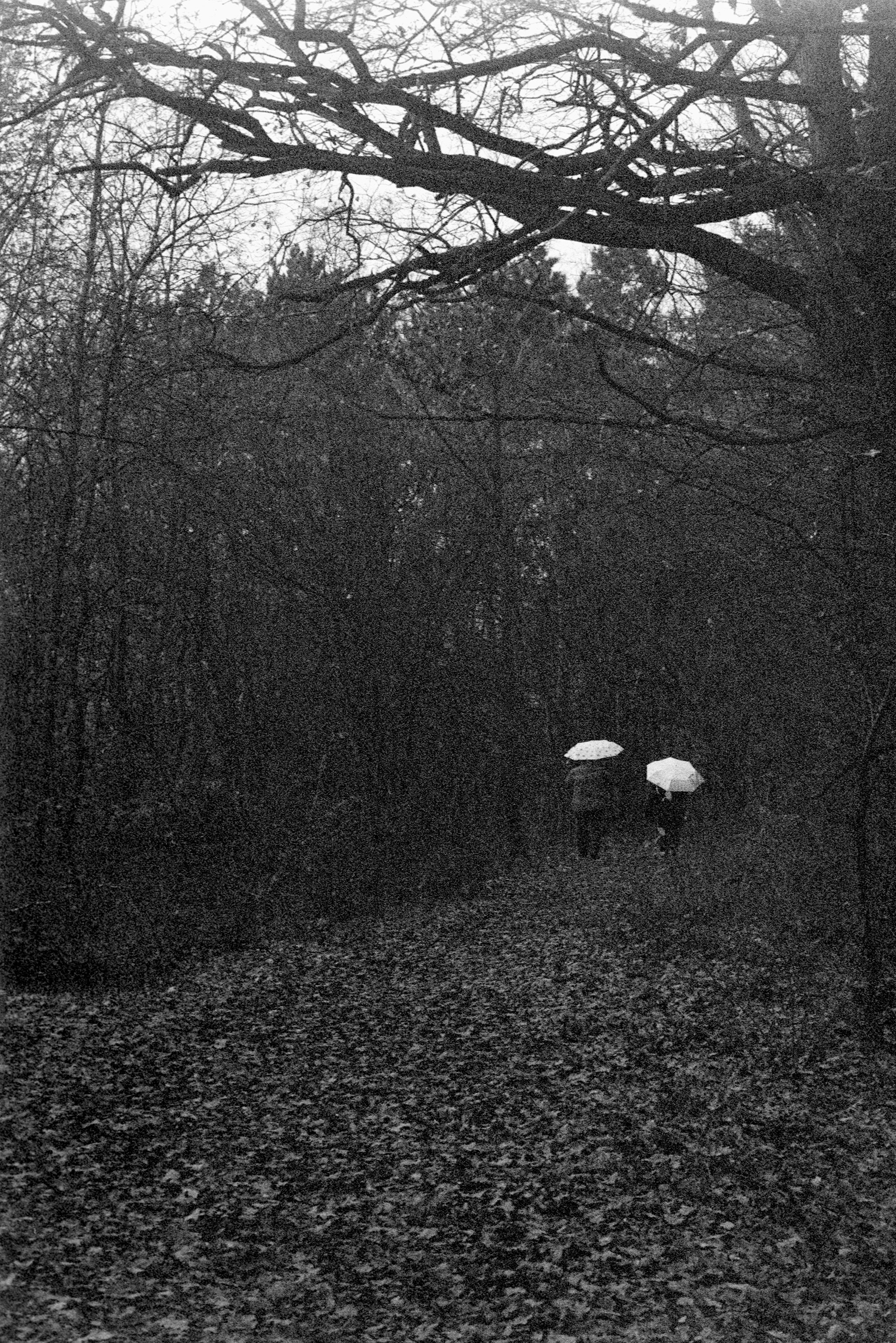
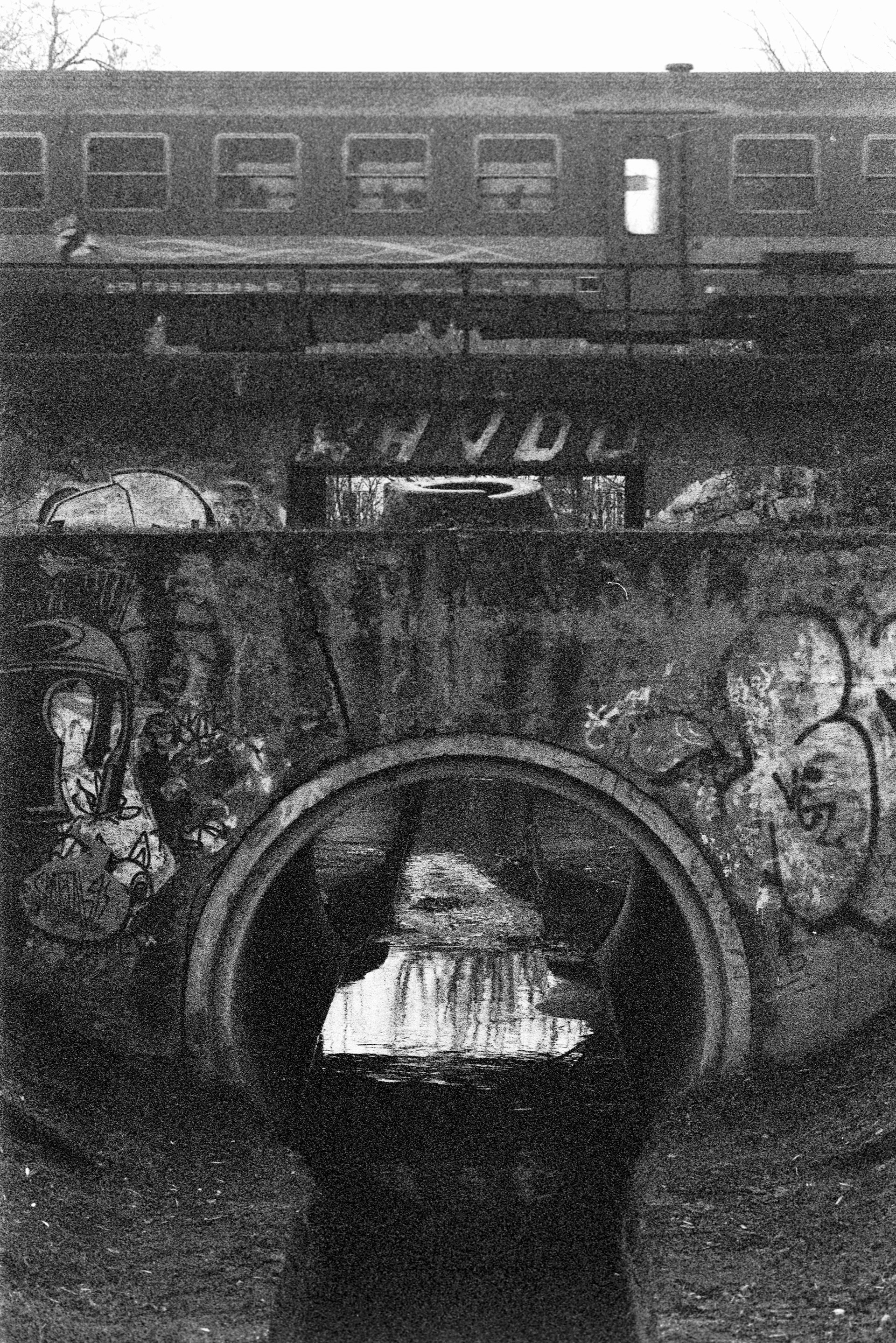
Shot at EI 3200.
There is little detail in the darker areas, and there is no shadow detail to speak of.
There is a lot needed to be done in post processing to make it look presentable.
There is little detail in the darker areas, and there is no shadow detail to speak of.
There is a lot needed to be done in post processing to make it look presentable.
I doubt that these would be printable in an analog process.
Even shooting it at EI 1600, all the shadow detail is lost.
The image is grainy but not unusable.
Conclusion:
If you like the look of the film, it can provide something unique, and it's pretty cheap.
I probably won't be a regular user of this film.